
When everything is visible, everything is felt
What happens when our eyes are opened faster than we’re supported to process?

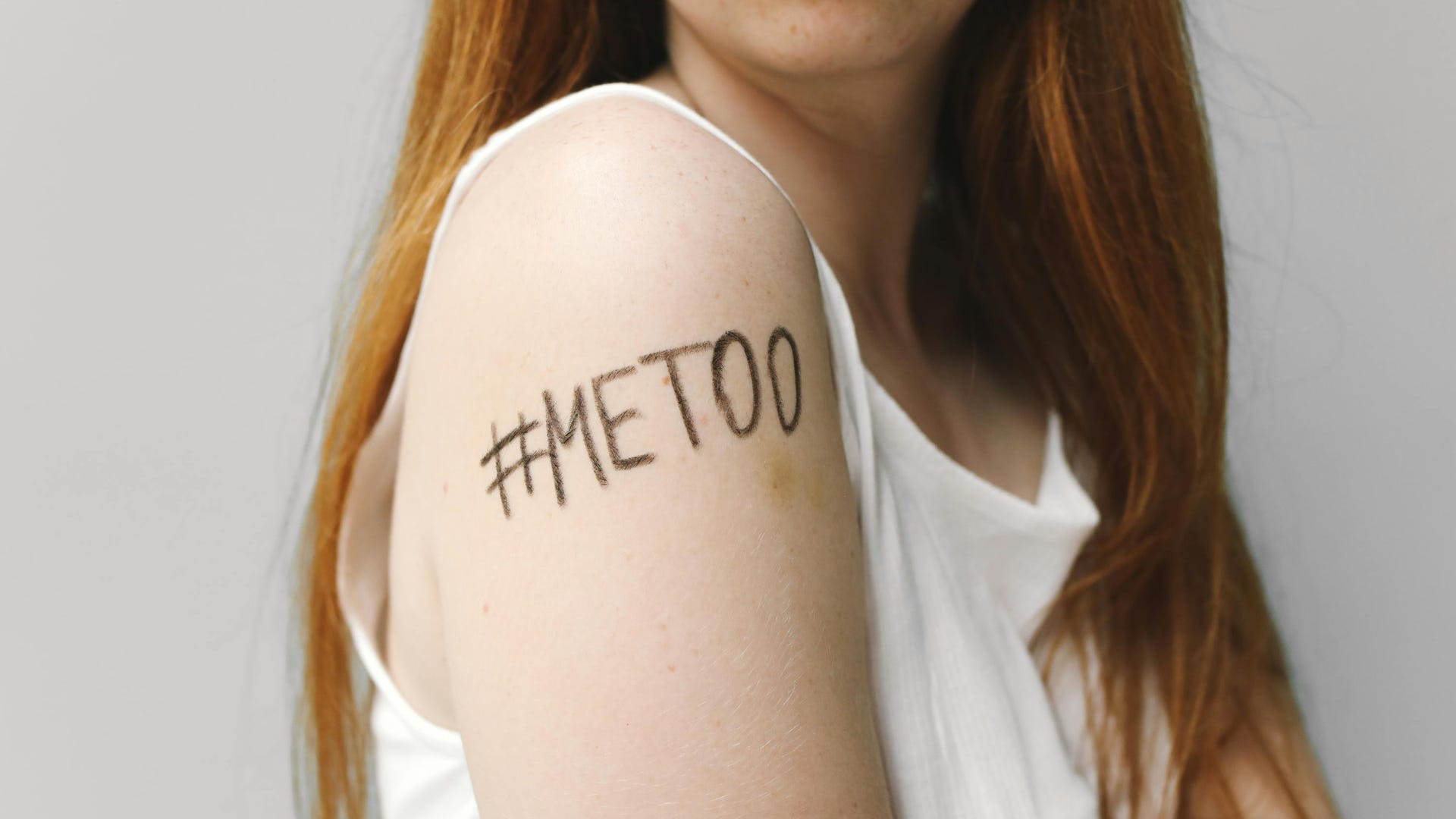
Many years ago - in the lead up to Me Too - I ran a program called The Age of Visibility. It explored what it means to live in an era where everything is increasingly visible - how to locate yourself in that landscape, discern where and how your voice matters, and engage in movement-building in ways that serve something larger than the self. At the same time, I was running a program called A Visible Woman, which explored the structural implications of speaking up as a woman in a world shaped by inequality and oppression.
Soon after, wave after wave of global events prompted people to live through everything we had been exploring in those programs - not in theory, but in real time.
I watched, year after year, as people moved through the stages we had discussed. Their voices became activated through an awareness of injustice. They connected with movements. They began to see how invisibility is not accidental, but deliberately built into systems of inequality.
This continues to this day. This week, the release of more of the Epstein files revealed to the world what many of us have known our whole lives. That patriarchy gives permission not just for sexist ideas to be expressed, but for them to be taken to their limit. To luxuriate in the objectification of girls and women. To dehumanise us to such an extent that we are reduced to a single purpose: the pleasure of men.
When I ran The Age of Visibility and A Visible Woman, none of this was abstract. We weren’t analysing events from a distance. We were exploring what happens to a person’s sense of themselves when their eyes are opened to injustice, when they begin to see themselves as part of a social movement - and what becomes possible when that opening is supported with attention to the whole person.
Each day, this investigation becomes increasingly critical as technology allows us to witness the injustices of the world at extraordinary speed and without collective support.
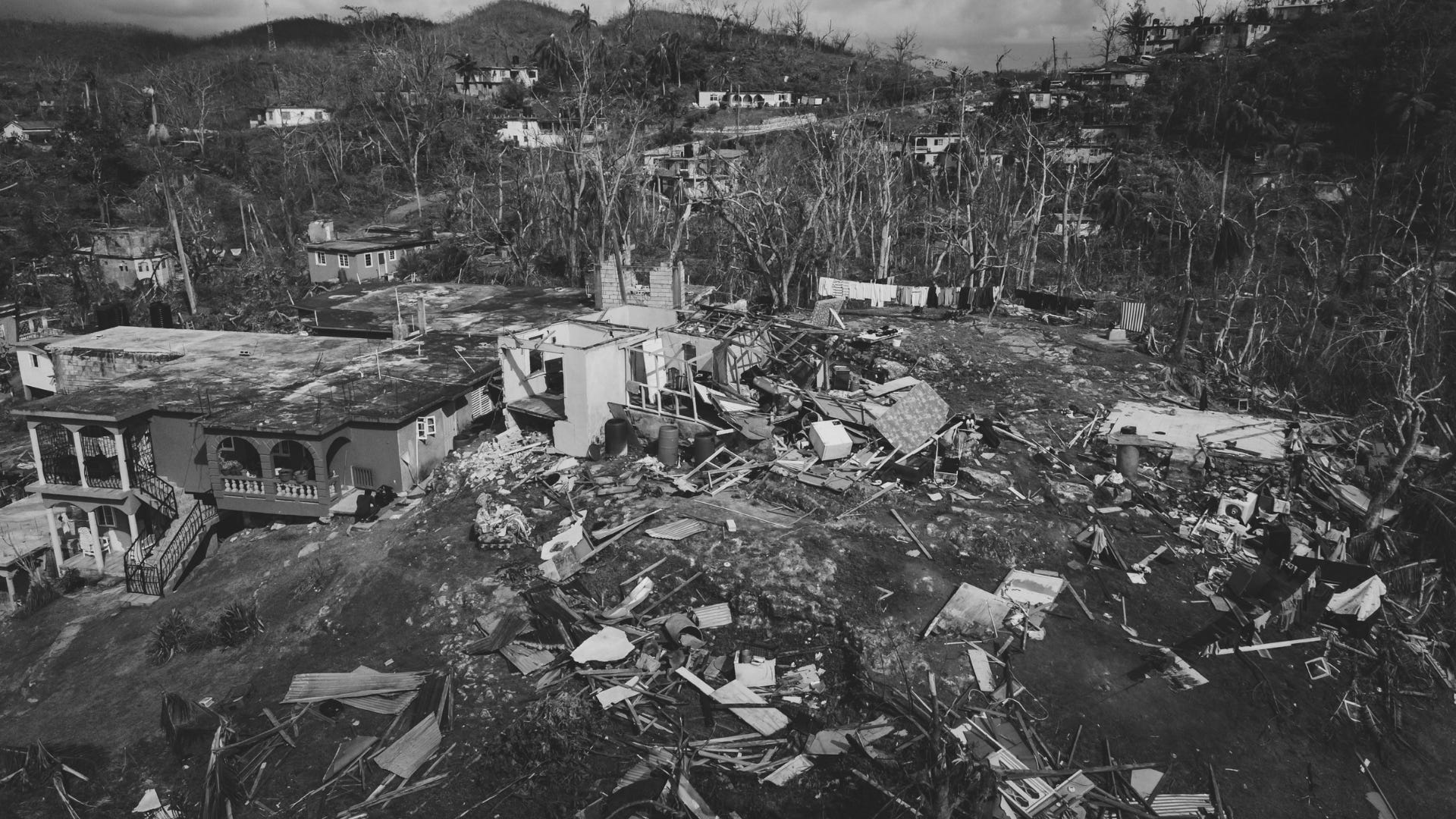
This means that people are being activated in real time, by events they did not choose, at a pace they did not set, without the context or containment that helps awareness turn into wisdom. Many of us encounter issues through two-minute videos: either falling into an endless rabbit hole of outrage, or subconsciously assuming that a fragment tells the whole story. Neither creates the conditions for meaningful conversation, contextual understanding, or collective ways forward.
And then there is what this does to our nervous systems.
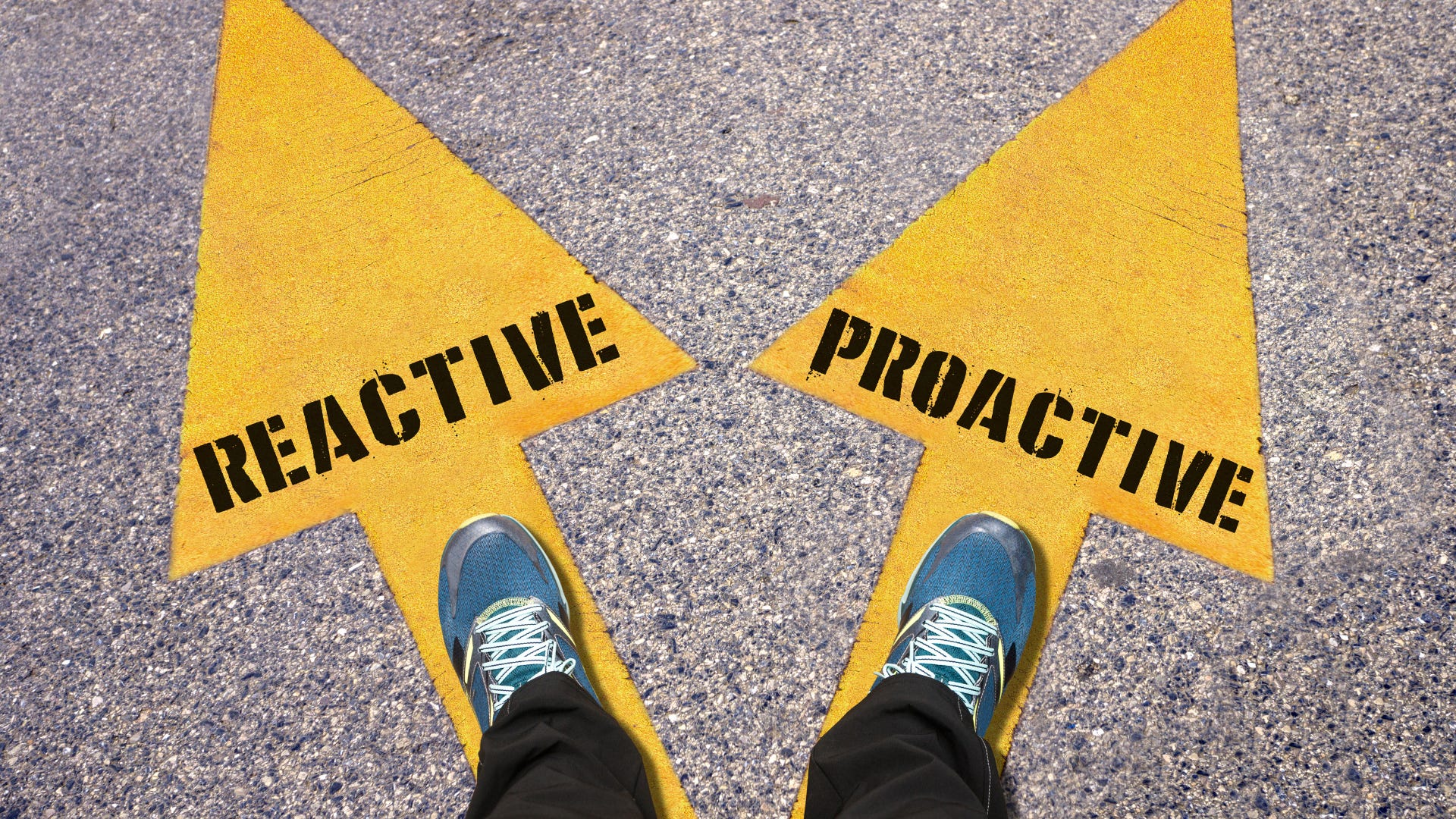
In a world of eroding attention and presence, we are being pushed into greater and greater reactivity, to the point where the collective nervous system has become so wired and exhausted that connection and compassion feel almost impossible.
Many people are sitting with emotions they have no capacity to metabolise.
Rage that has nowhere to go. Grief that has no place to land. Shock without any way to make sense of it.
Some are retreating from a world that feels dangerous and overwhelming. And many are simply trying to work out how to contribute to the world in a way that’s meaningful, rather than reactive.
What is important to know is this: we are all being activated by the information we’re now exposed to.
Activation is, of course, necessary for social change. It helps us see what was previously unseen and say what was previously unspoken.
The problem is that the activation is unsupported: problems are being revealed faster than our systems can integrate, and harm is being caused because the structures aren’t there to hold us all.
Without language for where we are in the process, or a map for how to move through it, too many people are either collapsing under the weight of what they’re seeing or hardening in response to it.
In this environment of near-perpetual activation, much of the public conversation centres on whether we should look away, speak up, or stay silent. These are important questions and ones I’ve spoken about before.
Alongside them sits another question that isn’t often asked: how we move through activation itself.
We start with the understanding that activation has phases. It is a process of deepening - into discernment, into wisdom, and into a voice that matures from personal expression and power into something held in service to the collective.
It’s not about rushing to action or withdrawing from what we are seeing. It’s about learning to recognise where we are in the activation process, and how to move through it with the kind of care and attention that allows steadiness, rather than reactivity, to lead.
Over the coming weeks, I’ll be exploring these phases of activation more closely. I hope you’ll join me.
Samantha x
P.S. Seeing this made my heart full this week. Minnesotans, you’re the best.