
[Activation] Stage Three: Identification
When things becomes personal

This is part of a series about activation without containment. You can read the introductory piece here, Stage One: Disruption here, and Stage Two: Mobilisation here.
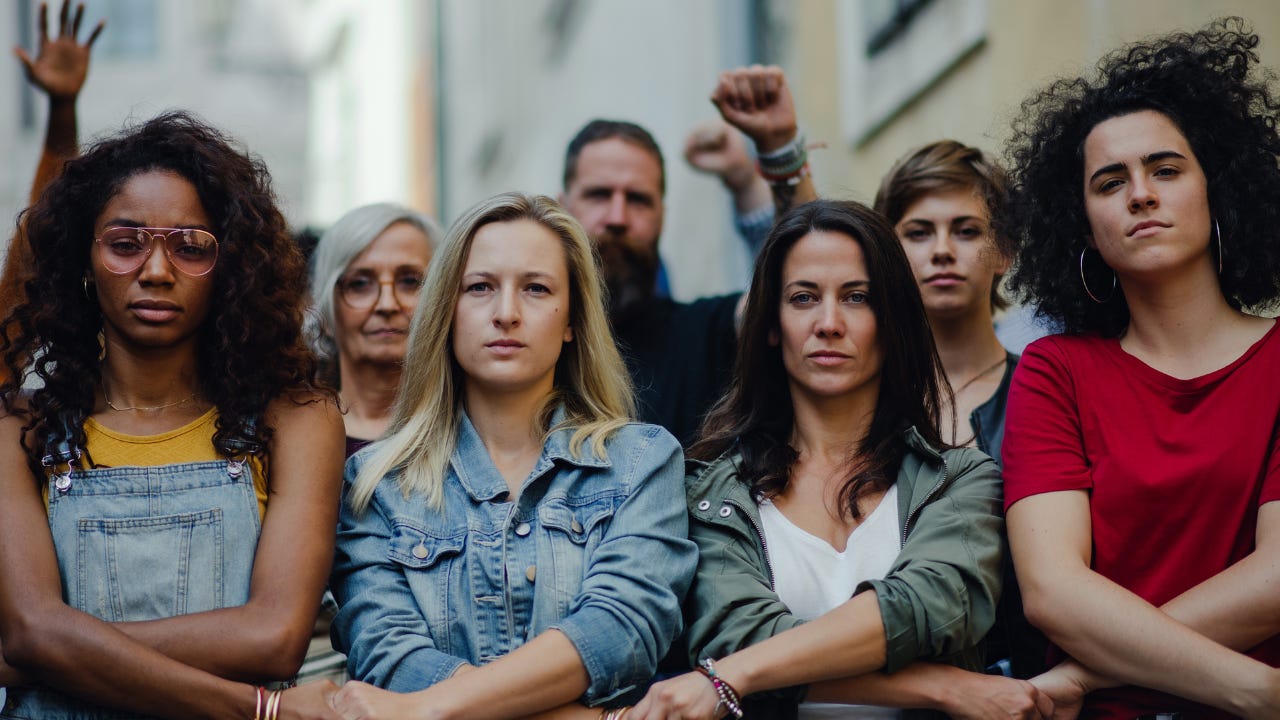
After disruption and mobilisation, the next shift in the activation process is identification.
This is where we start locating ourselves inside the issue.
The question shifts from What just happened? to What does this mean for me? as voice becomes personal.
People begin to say:
As a mother…
As a survivor…
As someone who has experienced this…
Identity enters the conversation. History enters the conversation. Proximity starts to shape each person’s response.
For me, this stage was particularly vivid during the Voice referendum. (The referendum asked Australians to vote on enshrining a First Nations Voice to Parliament in the Constitution.)
Having worked for many years with Aboriginal communities and within government, I understood, in practical terms, how decisions affecting Aboriginal people are routinely made without Aboriginal people in the room.
I was extremely clear about why structural support for Aboriginal voices within government processes mattered.
And so I felt a clear pull to speak in support of the referendum.
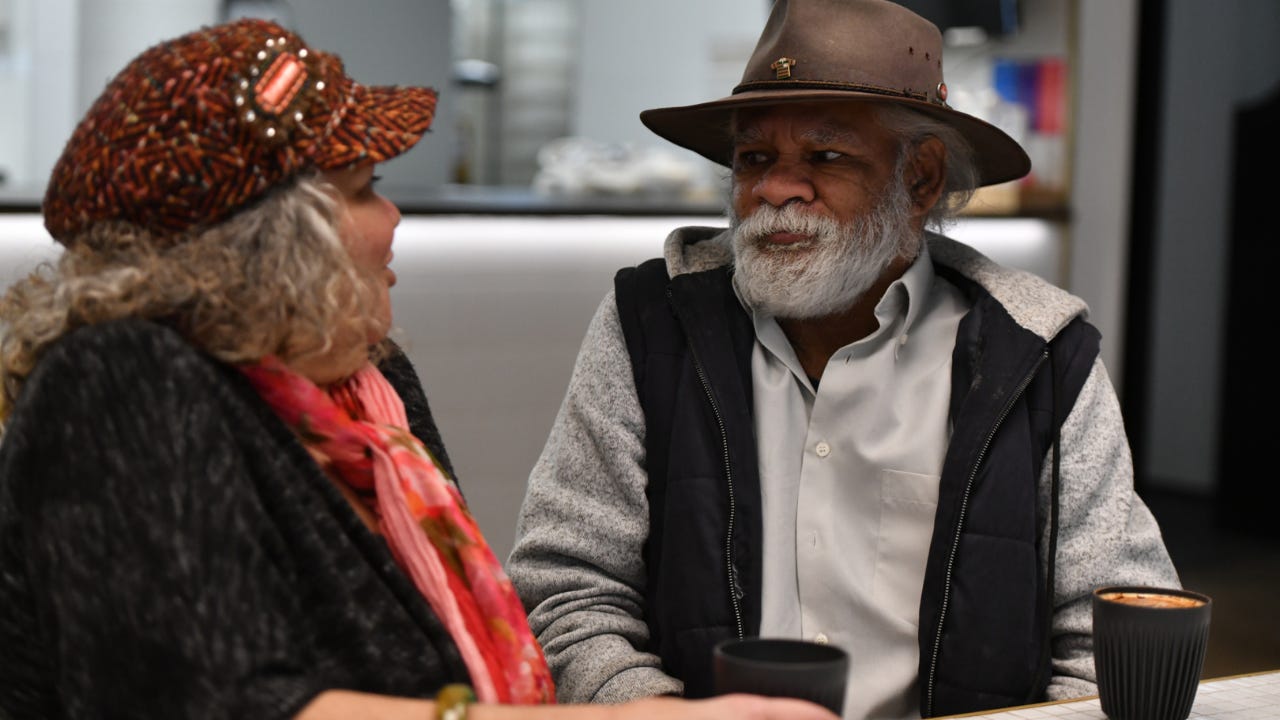
I also felt a strong sense of responsibility to Aboriginal friends, colleagues, and communities I had worked alongside for many years.
When you have witnessed something closely, silence can begin to feel like abandonment. So I was always going to speak up in one way or another.
But…
I didn’t want to take up space that should rightly be occupied by Aboriginal voices. I didn’t want to centre myself in a conversation that was not mine to lead.
So, much of my contribution involved sharing and amplifying the work of Aboriginal leaders who had been explaining these issues for decades.
Additionally, I knew I carried knowledge and experiences that could help non-Aboriginal audiences understand why the referendum mattered.
Which is how I found myself navigating a set of questions that often arise in this stage of activation:
How do I contribute without centring myself if I don’t sit at the centre of this issue?
When is my voice useful, and when should I step back?
How do I speak with clarity while remaining in right relationship with those most affected?
During the referendum, I also noticed something else that often appears at this stage of activation.
Some people were speaking from relationship - from years of listening to and working alongside Aboriginal communities. Others were speaking primarily from ideology.
I clearly remember one non-Aboriginal person messaging me to explain that voting ‘No’ was the truest act of allyship. When I inquired about this, it became clear that their opinion stemmed from an ideological commitment to a specific interpretation of sovereignty.
What struck me in that moment, and others like it, was how differently people locate themselves inside the same issue.
Of course, our histories, relationships, and frameworks are always going to shape how we interpret the world around us. They’re going to inform how we think about our responsibilities in different spaces and toward different people.
But there is a risk here. When identity fuses too tightly with an issue, we can mistake personal expression for collective contribution. We can speak from urgency rather than usefulness. We can centre ourselves in conversations that require other voices.
(Tony Armstrong’s Always Was Tonight captured this misstep in allyship perfectly in this clip.)
Learning to navigate this terrain is part of the maturation process of becoming an effective contributor.
A useful place to start is understanding that personal identification is not the same as collective contribution.
Collective contribution asks us to locate our role within a much broader context - to step beyond our personal motivations and emotions and consider what the whole actually needs.
One of the reasons public conversation feels so volatile right now is that many people are currently living in this stage of activation.
People are waking up to injustice and realising that neutrality is not always possible. They feel called to care, to act, to take a stance.
Teachers, business owners, parents, artists, professionals — people who once saw politics as distant are beginning to feel implicated in questions of justice.
That realisation can be empowering, but also deeply disorienting.
People are often unsure where they fit in the process. Which means their activism is often informed by a deeper question: Where do I fit?
In that uncertainty, ideology can become very attractive. It offers clarity, certainty, and belonging. It tells us where to stand and what language to use.
When people begin identifying strongly with an issue, the pressure to speak can become intense.
Many of us have felt it.
We feel we must say something. Quickly.
So we reach for language that already exists. The phrases circulating in our communities. The scripts offered by the movements we trust.
Sometimes this helps.
But sometimes we begin speaking faster than we have actually integrated what we are saying.
We borrow certainty before we have built understanding.
And once identity becomes tied to a position, disagreement can start to feel like betrayal. Or like a personal attack rather than a difference in perspective.
Silence can start to feel like complicity.
And so, the conversation begins to harden.
People start policing each other’s language. Questioning each other’s morality. Measuring who is speaking loudly enough, quickly enough, correctly enough.
We see this on all sides of politics. Wherever identity becomes tightly bound to ideology.
As this unfolded during the referendum campaign, I slowly developed my own internal guidelines around speaking up.
When Aboriginal people were present in the conversation, I listened and amplified their work.
When conversations were happening primarily among non-Aboriginal people - spaces where Aboriginal voices were not present - I was more willing to speak and help explain what I understood from my years working alongside communities and within government.
I also spoke when I saw information circulating that was simply incorrect. Not necessarily to convince the person sharing it, but to ensure that others reading or hearing the conversation had access to accurate information.
In that way, I tried to contribute without centring myself.
Stage Three practice
When something becomes personal, and I feel the pull to speak, I slow down and listen internally.
I watch where the impulse to speak is coming from.
Is it coming from a desire to be seen as a good ally?
To prove that I know something?
To be right?
To prove that others are wrong?
Or is there something quieter moving through me?
If strong emotions are present, I regulate first. I use tools like self compassion or Emotional Freedom Technique (tapping) so I’m not speaking from activation.
Then I ask a different question:
What is the most useful contribution I can make here?
Sometimes the answer is to speak.
Sometimes the answer is to amplify.
Sometimes the answer is to listen longer and understand more deeply.
And that is the work of stage three: to understand where your voice is coming from before you speak.
Samantha x