
Stage One: Disruption
When something breaks open

This article follows on from last week’s piece, ‘When everything is visible, everything is felt’, where I spoke about activation without containment. In that article, I promised we’d speak about the different stages of activation - how to identify them and respond healthily to them. What follows is a discussion of stage 1.
Content note: reference to George Floyd’s murder and Aboriginal deaths in custody.
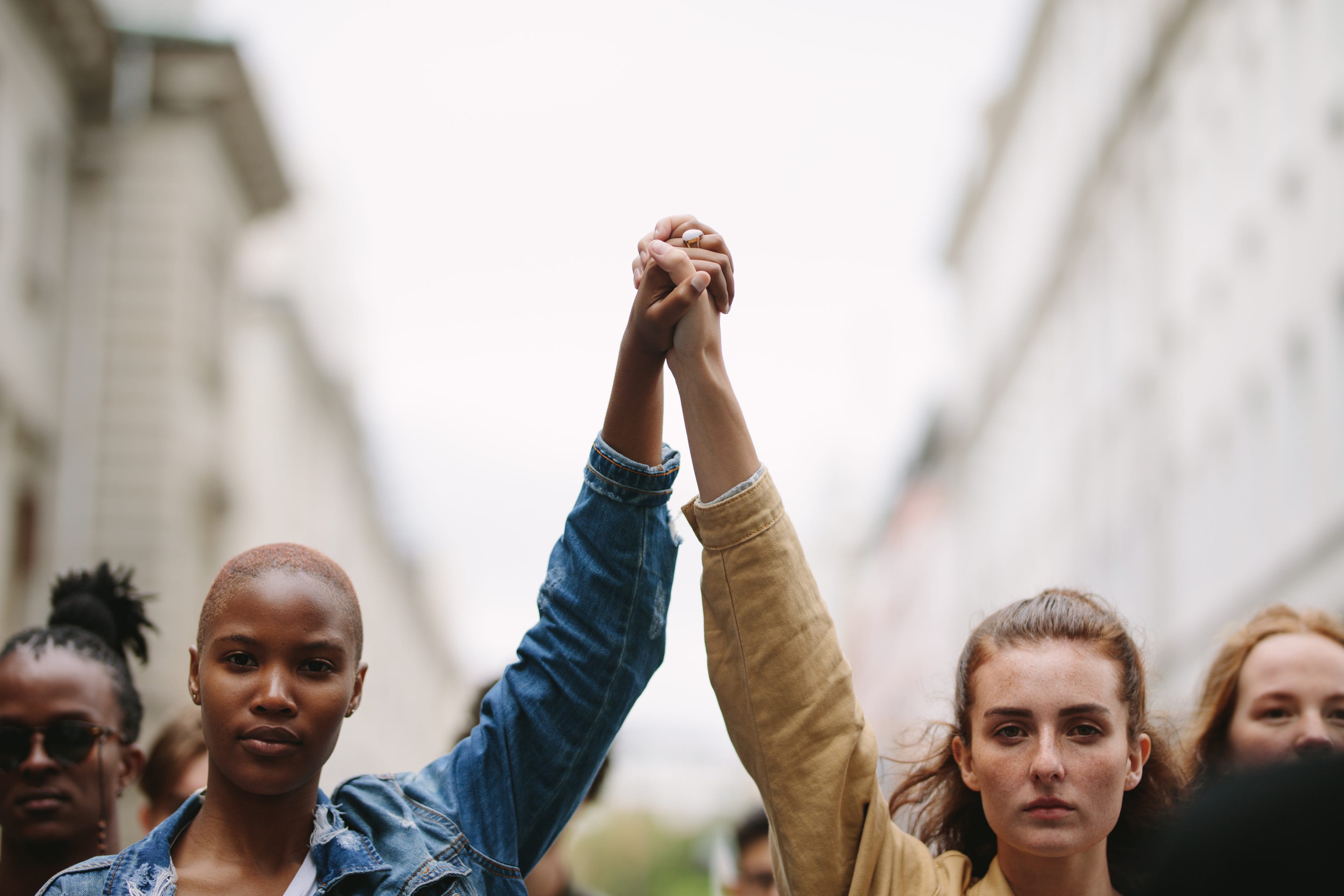
There is always a moment.
Where something shifts from background to foreground.
You see something really clearly and your body responds almost before your mind knows what’s happening.
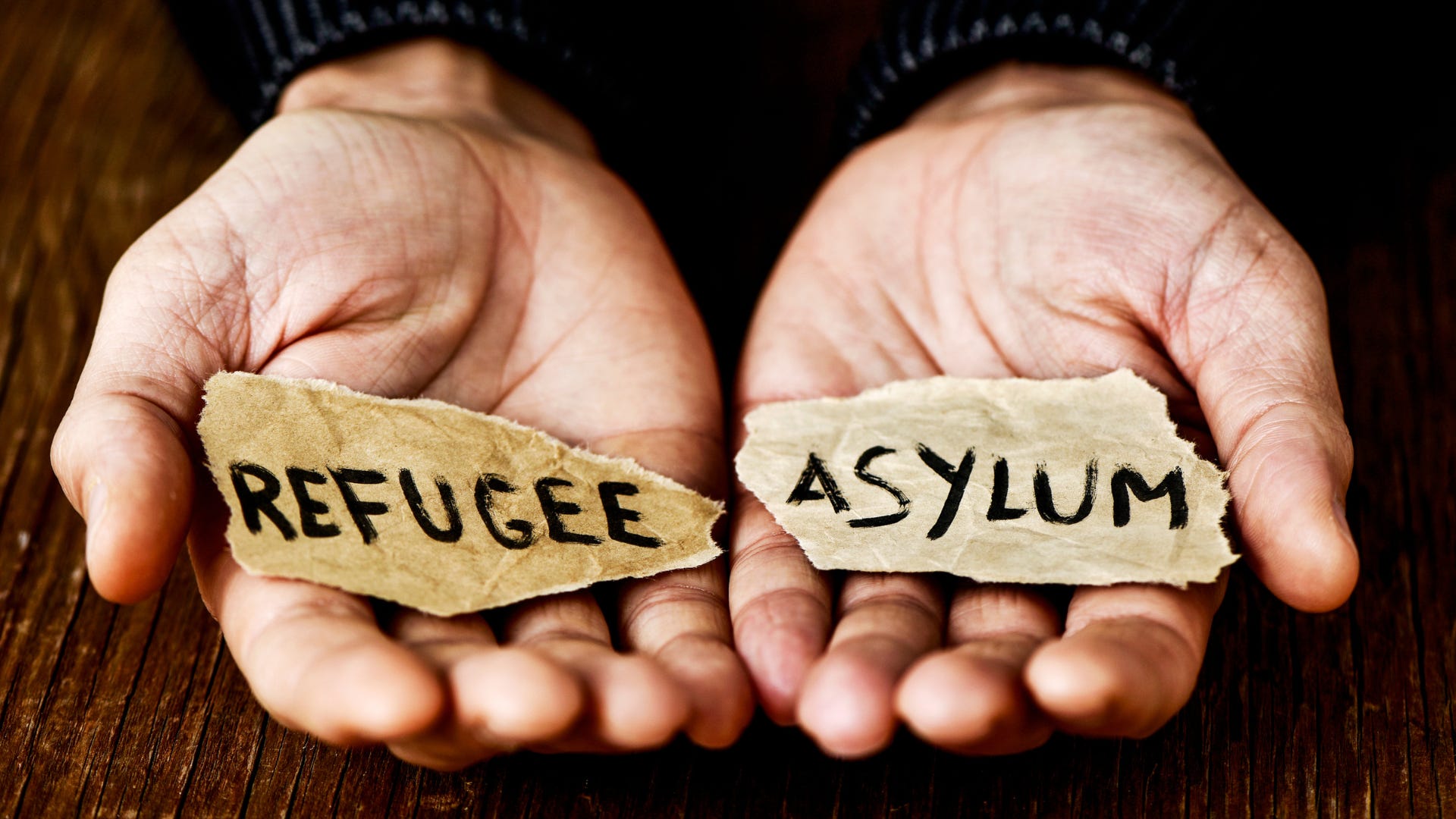
I’ve had many such instances in my life. One I remember clearly occured in my 20s (the 20s being a prime decade for moments of disruption). I was working in a community legal centre as part of my law degree. I was assisting a solicitor on a refugee case. Our client was from Colombia. He had fled cartel violence. Returning would mean almost certain death.
This was before Australia introduced offshore detention centres. So he had made it into the country, but he had nothing.
He was living in someone’s garage with no access to social services. No eligibility for food support. No housing assistance. No income.
While he legally pursued refugee status, he was not entitled to any services that might actually help him survive.
What he did have came from the South American community in Sydney and a charity that provided him with some clothes to wear.
I remember sitting with the solicitor as he briefed me on the case. My whole body tightened as he explained the situation to me. I couldn’t really understand what I was hearing. How could we, as a society, be comfortable with this?
I remember walking home that afternoon with a dawning awareness of the protections I had lived with my whole life - protections so ordinary to me they had been invisible. And alongside that, a deepening of something I had been pondering throughout my degree: legality and justice are not synonyms.
In the days afterwards, I couldn’t settle back into my life as though nothing had shifted. I went to classes, confused and unsettled, trying to reconcile the world I thought I understood with the one I had just seen.
My mind kept turning to our client. Was he warm? Safe? Had he eaten?
Years later, I worked on a campaign in the UK, advocating for refugees’ right to work. It felt like a thread being picked back up - a response that had been seeded in that earlier rupture.
Because that is what disruption does.
It plants something that endures.
And although disruption does not look the same for everyone, there have been many collective moments of disruption over the past decade.
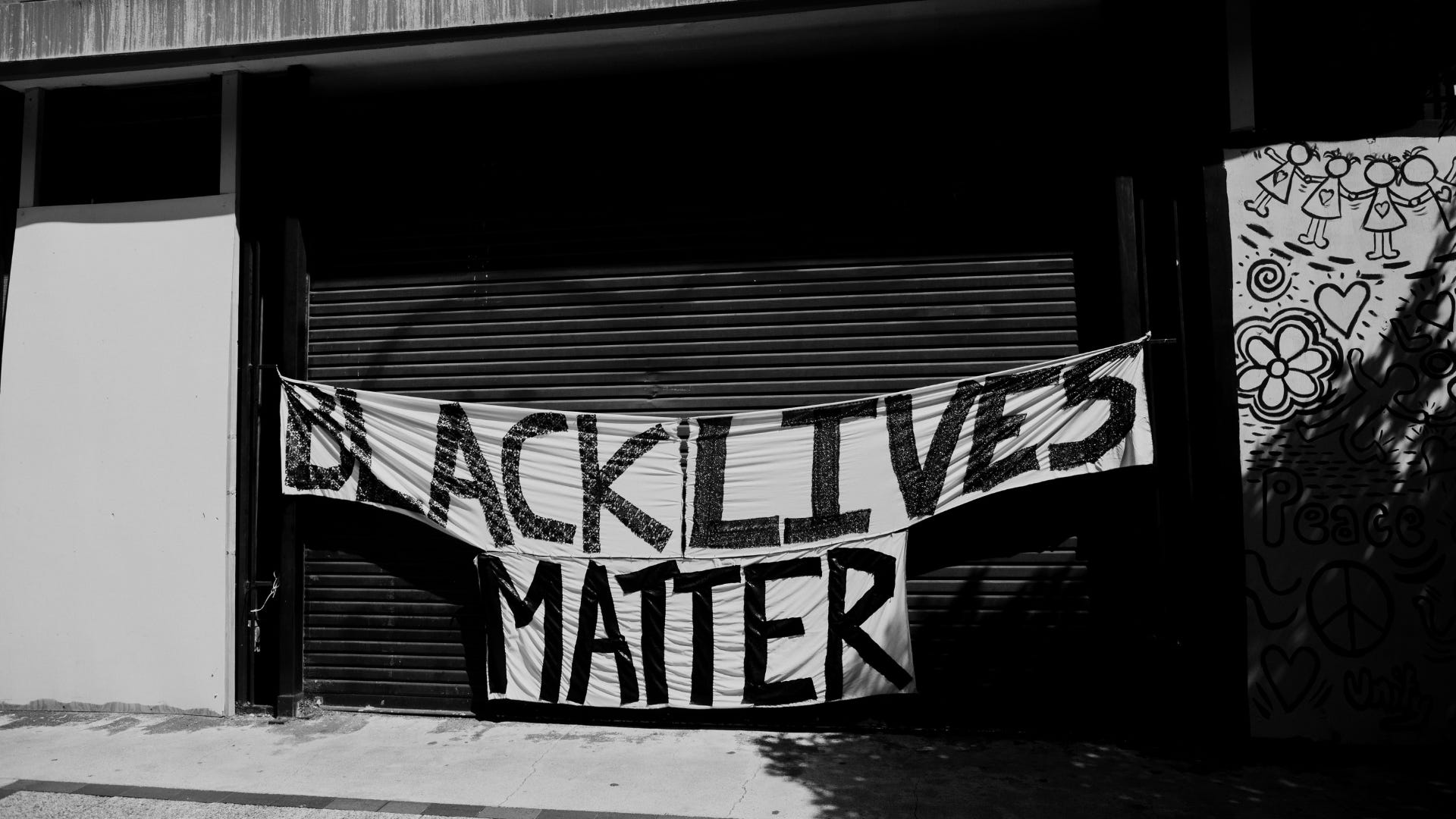
When the video of George Floyd circulated globally, something broke open for millions of people at once. The prolonged brutality. The visible disregard for a black man’s life. The fact that it unfolded in real time on our phones.
The history of racial violence in America is long. What shifted was not the violence itself, but the scale and immediacy of its exposure — the way so many were confronted with it at once.
I will never forget hearing him call for his mama. Hearing him say he couldn’t breathe.
Disruption is visceral.
But not all harm is made visible in the same way.
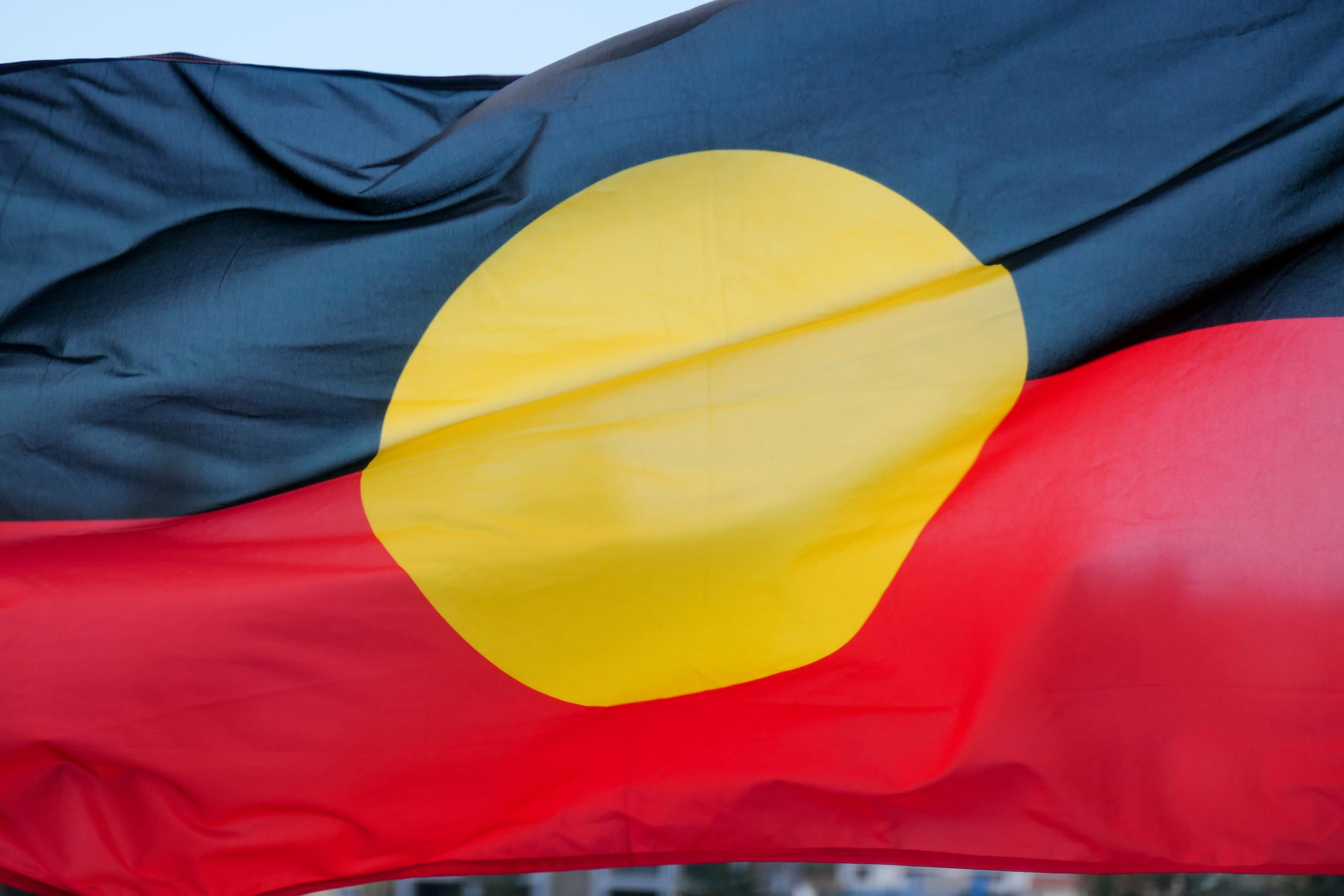
In Australia, there have been over 600 Aboriginal deaths in custody since the 1991 Royal Commission. They are investigated, reported on, and spoken about by families and communities. But they are rarely witnessed in ways that rupture the mainstream psyche. We hear, but we do not see. And what remains largely unseen is then ignored by most. It isn’t able to break through with the same force.
Visibility shapes disruption.
When something becomes visible — when it breaks something open within us — the nervous system registers threat, injustice, or moral injury long before we have language for what we are seeing.
We might feel shock. Nausea. Heat in the chest. Perhaps we feel anger. A sense of unreality. An urgent need to act. Or a sudden desire to look away.
All of these are protective responses.
Shock protects us from being overwhelmed by too much too quickly. It narrows the field long enough for us to stabilise.
Disruption, in its earliest form, is the body's attempt to adjust to a new reality.
The work, at this stage, is to be still.
To notice your inner response - what you saw and what you felt.
To locate that sensation in your body.
To sit with it for ninety seconds before the mind starts building a response.
Just let the experience land before you create meaning around it.
Samantha x